The Bean Sí's Comb (Banshee): Why You Should Never Pick One Up
Are you familiar with the folklore around the Bean Sí's comb?
I came across this particular piece of banshee folklore a few years ago and it inspired my latest drawing.
In a nutshell, if you find a comb lying on the ground, don't pick it up. It might belong to the Bean Sí and you really don't want the consequences of her coming after you to get it.
Fág ansin é, leave it there.
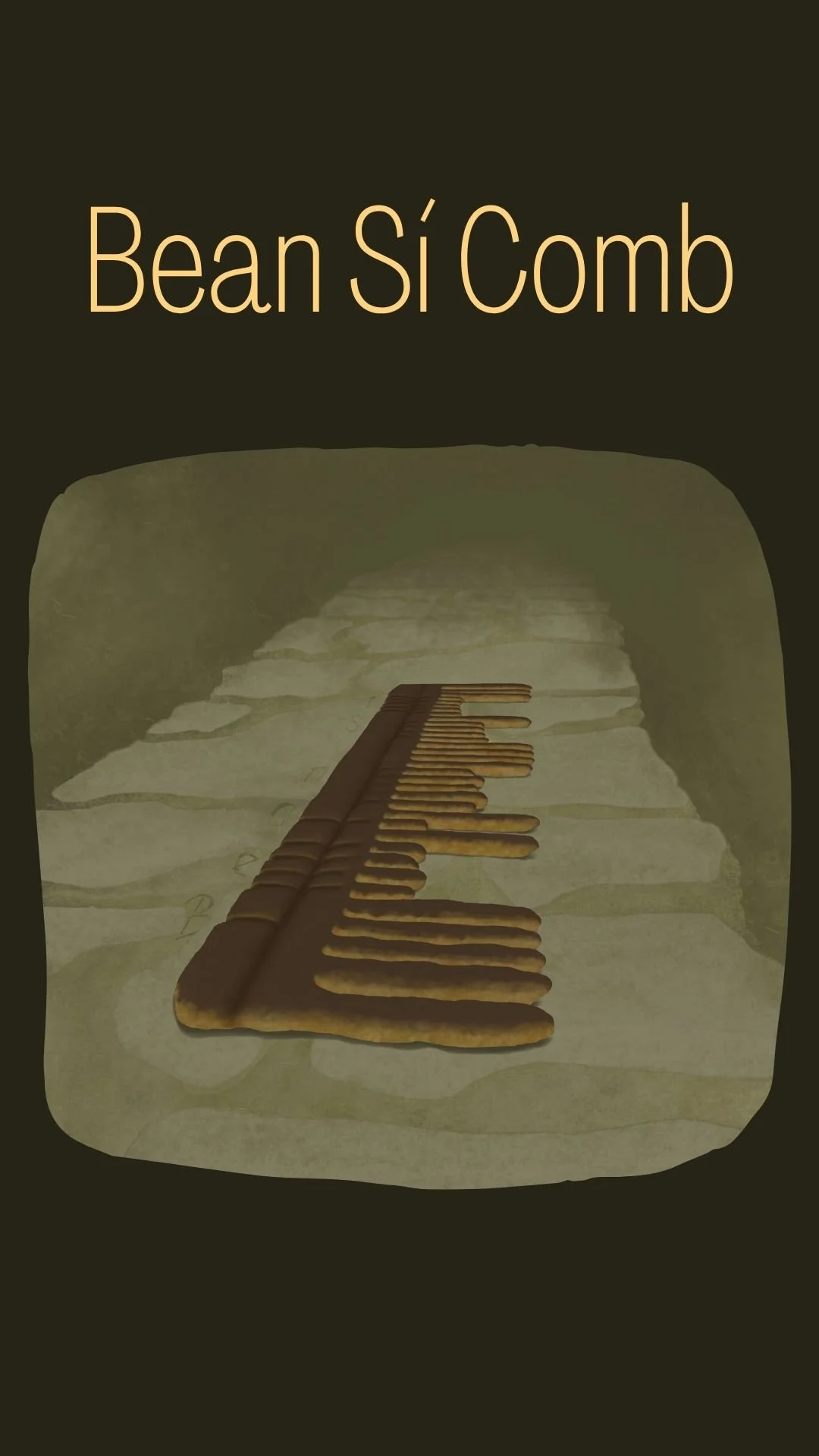
Who is the Bean Sí?
You probably already know who the Bean Sí is. The banshee is a woman from the otherworld whose cry means someone you know is going to die.
Her name in Irish means "woman of the Sí," the Sí, sometimes written as Sidhe, being the otherfolk or the faeries. But they don't like being called faeries, so it's best to call them the good folk.
She's not evil exactly. She's a messenger, a herald of death rather than a cause of it. This is why people are scared of her.
She can be young or old but she always has long flowing hair and she is very often seen combing it.
The Bean Sí isn't part of Irish mythology in the way you might think. She doesn't appear in the great sagas like the Ulster Cycle or the stories of the Tuatha Dé Danann. She belongs to Irish folklore, the beliefs and stories that were part of everyday life rather than the epic tales of gods and heroes.
Her wail is also connected to the traditional Irish keening or lament for the dead. Keening women would cry and wail at funerals, sometimes combing or tearing their hair in grief. The Bean Sí continues that role in the supernatural world. She is the mourner who arrives before the death rather than after it.
Some folklorists have even suggested that a woman who spent her life as a keener might become a Bean Sí after death, continuing her role of mourning on the other side.
Which brings us to the comb…
The Bean Sí's Comb in Irish Folklore: Stories from Dúchas
So I found loads of stories about this on Dúchas.ie. If you haven't come across it before, it's an archive of Irish folklore collected by schoolchildren in the 1930s. They were sent home to write down the stories their parents, grandparents and older neighbours had. It's a wonderful resource and I keep falling down rabbit holes in it.
This is the kind of rabbit hole I often go down in my newsletter, if you are not already there.
There are many accounts in there about the Bean Sí's (or Banshee’s) comb and a lot of them follow a similar pattern.
Someone comes across a comb, maybe on a ditch, beside a stream or left behind after a sighting, and they bring it home.
That night, she comes crying at the window for it.
One account tells of a man who spotted her combing her long golden hair near where he lived. When she saw him, she disappeared, leaving a comb behind on the ditch.
He brought it home and left it on the dresser. That night at midnight she came crying for it.
Another tells of a man who just snatched it straight from her hands - a very brave but a very stupid thing to do.
Then there's the story of two men who took it together and ran home with her chasing after them.
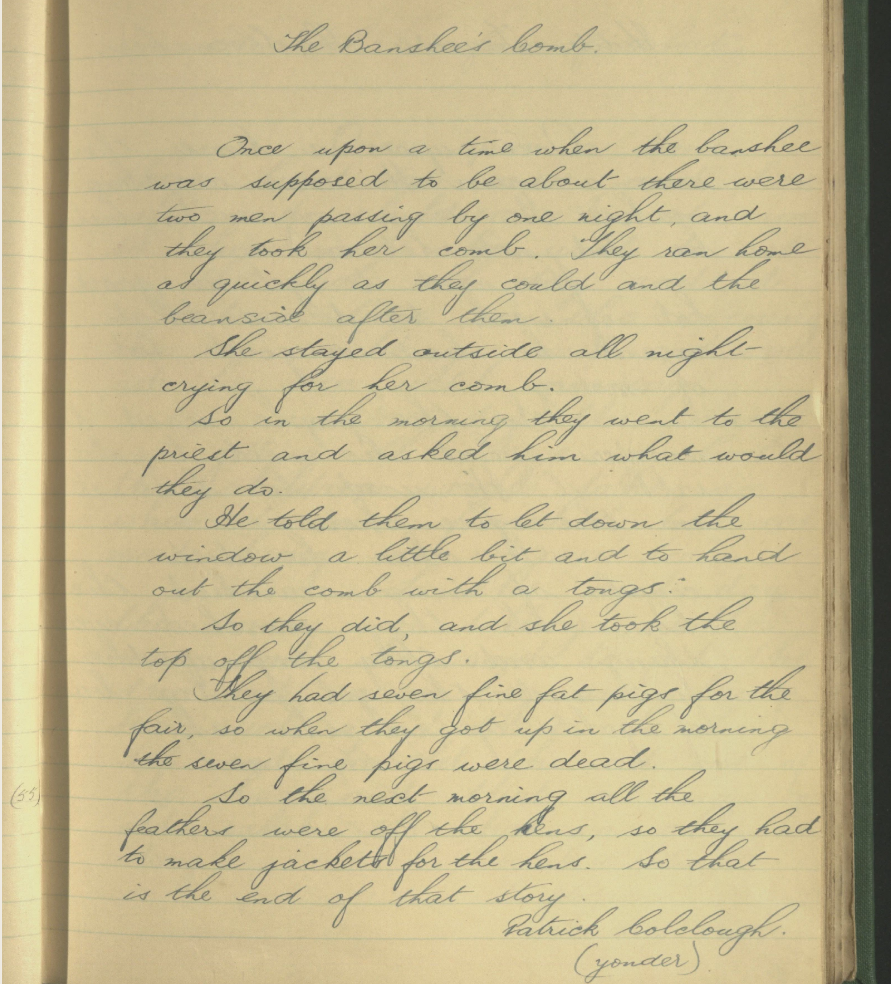
Story of a Bean Sí from Dúchas.ie Schools’ Collection
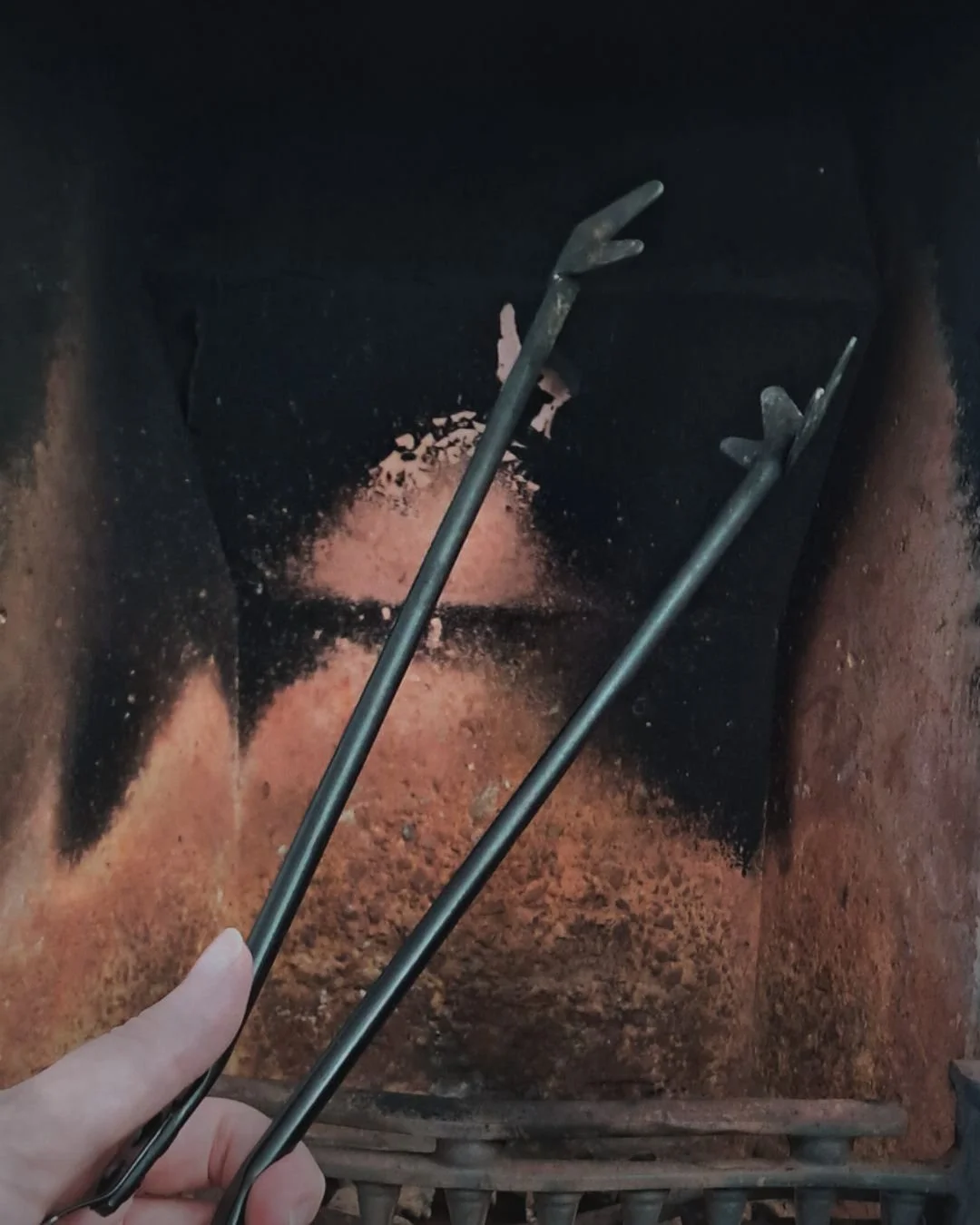
The Iron Tongs
In two of these accounts the person ends up going to the priest to ask what to do. I find this really interesting in itself. It shows you how Catholic practice and older folk belief just existed together in everyday life rather than being in conflict with each other.
And the priest's advice is always the same - use tongs.
This is because iron was believed to give protection from the Sí, the otherfolk. So the person would take the comb in the tongs and pass it out through the window to her.
She'd take it, but the tongs always came back damaged. Twisted to bits in one story and the top broken clean off in another.
Those damaged tongs were a reminder of how close it had come to being so much worse.
What Can Happen If You Take It
The story of the two men, seen in the text from Dúchas.ie above, has an extra bit to it that clearly spells out the kind of danger that you risk when messing with the Bean Sí.
Even after she got her comb back, the next morning their seven pigs were dead. Seven fine fat pigs they were bringing to the fair were all gone. And all the feathers were off the hens, so they had to make the hens' little jackets. That bit did make me smile.
She got her comb back and she still wasn't done with them. I love how specific it is. You can just picture whoever told that story absolutely delighting in that detail.
Why Irish Folklore Feels So Real
I love that these Irish folklore stories don't sound like some far-off fairy tale, they sound 'real'.
They sound like something that happened to someone down the road. The comb on the dresser, the midnight crying at the window, the bent tongs - all very normal… odd, but normal.
I think people told these stories because they genuinely believed them and thought they needed to be passed on. But I'd say they were also just great fun to tell when everyone was gathered together.
I remember many a party or family gathering where we'd start telling ghost stories and strange happenings we'd heard about. It was great fun, albeit scary too!
So after all of this, would you pick up a stray comb? I know I wouldn't.
The stories in this post come from Dúchas.ie, a wonderful archive of Irish folklore collected by schoolchildren in the 1930s. If you ever want to fall down a rabbit hole, it's well worth a visit. And it’s very easy to search too.
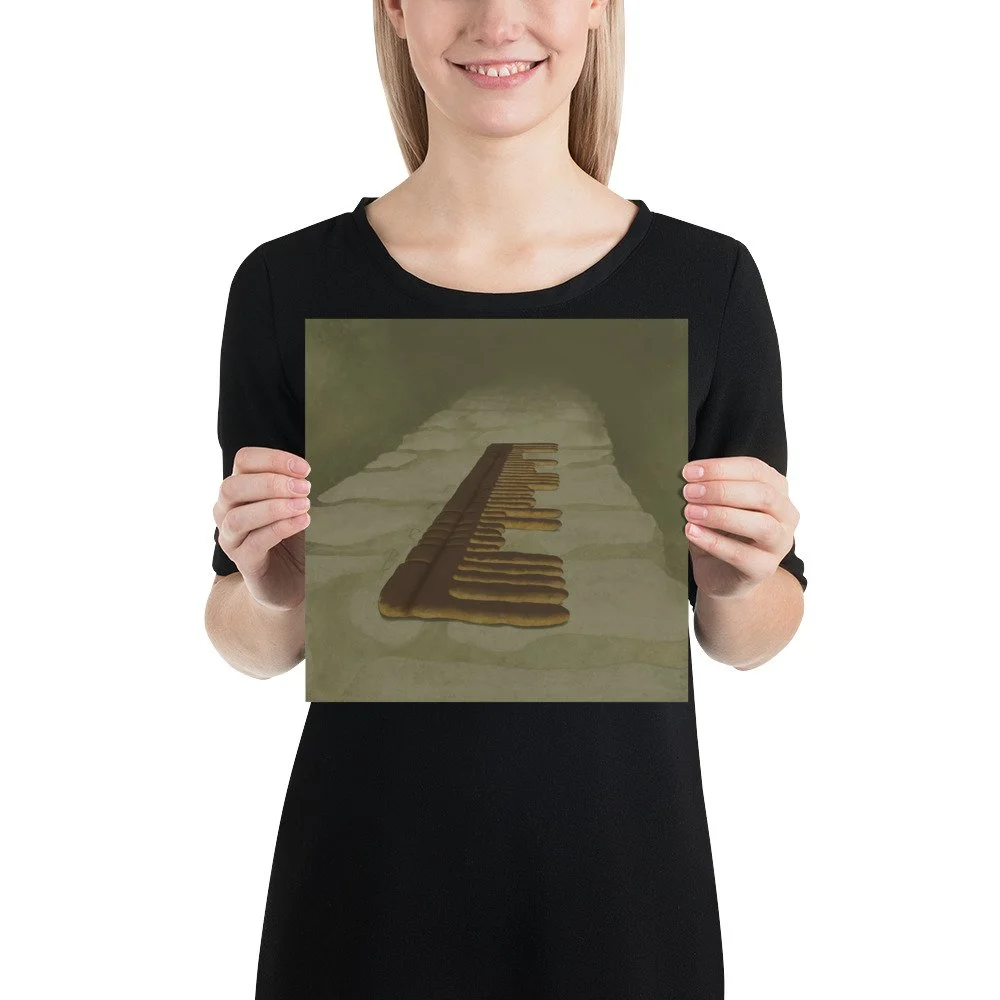
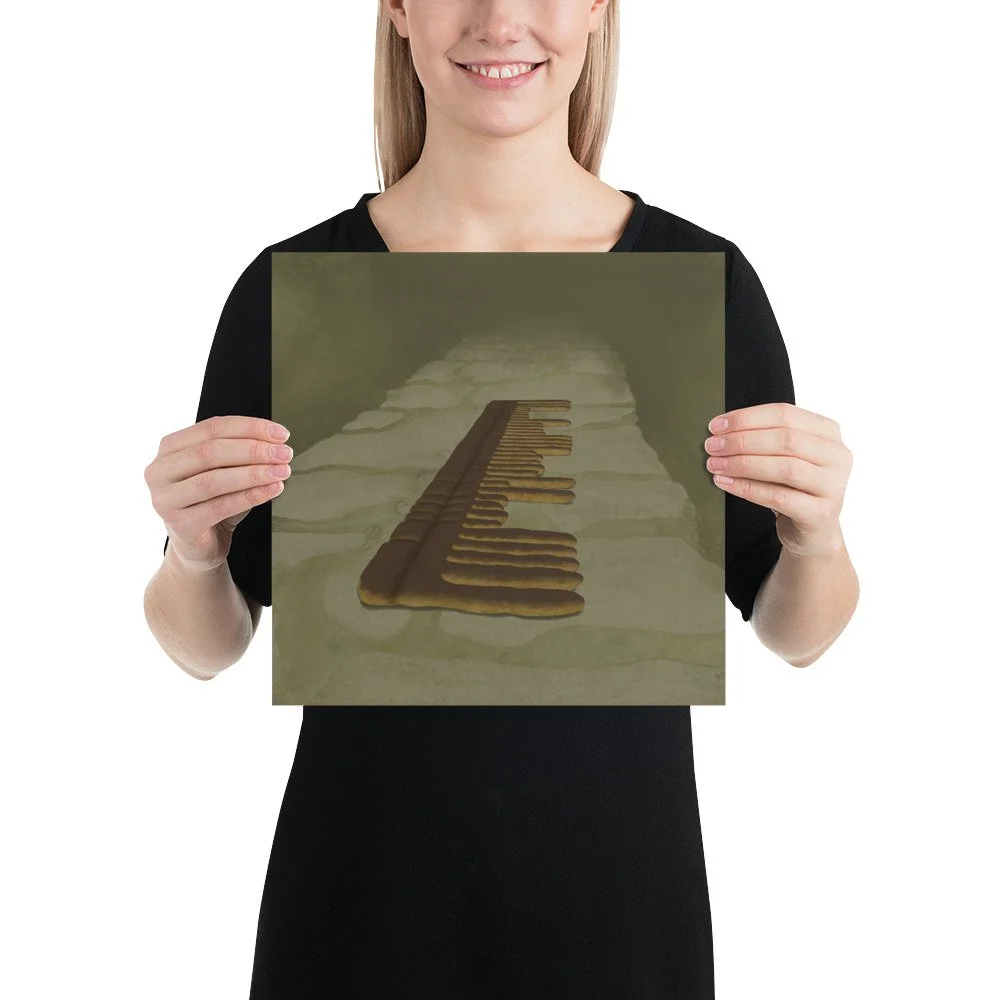
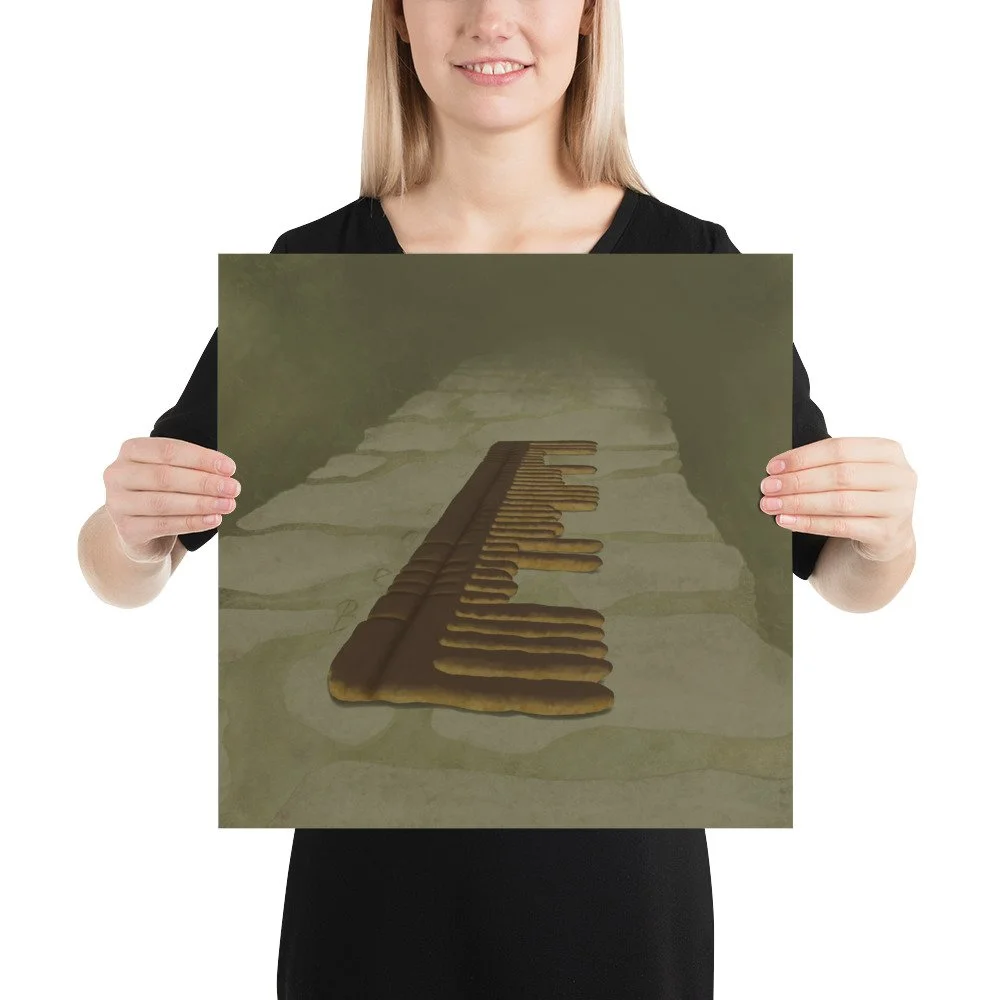
Bean Sí Comb is an art print rooted in real Irish folk accounts. Not mythology, not legend, but the everyday beliefs people actually held and passed down for generations.
The Bean Sí is nearly always seen combing her long hair, and that comb is at the heart of some of the most fascinating folk accounts ever written down in Ireland. The Dúchas archive is a collection of folklore gathered by schoolchildren in the 1930s. They were sent home to write down the stories their parents and grandparents told them, everyday folk beliefs that might otherwise have been lost. And across many different accounts from many different parts of Ireland, the same story appears again and again.
Someone finds a comb. Someone brings it home. And at night she comes crying at the window for it back.
What I love about these accounts is how specific they are. The white comb left on the dresser. The midnight crying at the window. The priest who always gives the same advice. The iron tongs passed out through the window, and the state they come back in afterwards.
These are not grand mythological tales. They are the stories ordinary people told each other because they genuinely believed them. And someone thought they were important enough to write down.
This drawing came out of spending a long time in that archive. There is quite a bit hidden in it if you look closely. If you want the full story, including what happens to those iron tongs, you can read it here: roisinmallonart.com/blog/bean-si-comb-banshee-irish-folklore
This print is for anyone who loves Irish folklore, Irish heritage, and the kind of cultural art that comes with a real story behind it.
Sizes
Available in three square sizes:
10 x 10 inches
12 x 12 inches
16 x 16 inches
Square prints are easy to frame almost anywhere. Frames are widely available in shops and online.
About the print
Printed on enhanced matte paper, 189gsm, sourced from Japan. Museum quality thick matte finish. Unframed. Printed just for you when you order, which reduces waste and means each print is carefully produced.
Packaging and care
Carefully rolled and shipped in a sturdy protective tube. Keep away from direct sunlight and high humidity to keep your print looking its best.
Delivery
Everything is made to order and printed especially for you. Please allow up to 8 working days for production and delivery, though it is often quicker than that. If you need it by a particular date, just get in touch before you order and I will let you know if it is doable.
Legal
Quick practical note. This is made to order through a trusted print partner and sent straight to you. Designed for adults. Responsible person for EU product safety: Róisín Mallon, Bangor, Northern Ireland. roisin@roisinmallonart.com Manufacturer: Printful, Raina bulvaris 25, Riga, Latvia, LV-1050. support@printful.com This product meets small parts and magnetic flux index level requirements. A 2 year warranty applies to consumer sales in line with EU consumer rights.
If anything arrives and something seems off, just message me and I will sort it out. Because everything is made to order I cannot offer exchanges for a different size, so it is worth checking the size options before you order.
If something arrives damaged, incorrect, or not as expected, email me at roisin@roisinmallonart.com within 7 days of receiving it with your order number and a photo. I will get a replacement or refund sorted.
If you would like to return something, let me know within 14 days of receiving your order and you will have a further 14 days to send it back. Return postage is your responsibility unless the item was faulty or sent incorrectly, in which case I will refund reasonable return postage up to the cost of 2nd class postage.
Just drop me an email and we will figure it out.
If you enjoy Irish folklore, language, and culture, I share stories, cultural snippets, and occasional special offers through my newsletter. You are always welcome to join: subscribepage.io/failte
This Bean Sí comb drawing was inspired by reading these kinds of stories. I'd been mulling it over for a good while before I started it. If you look closely, there's quite a bit hidden in it. If you want to see what I hid in it, have a read of this post.
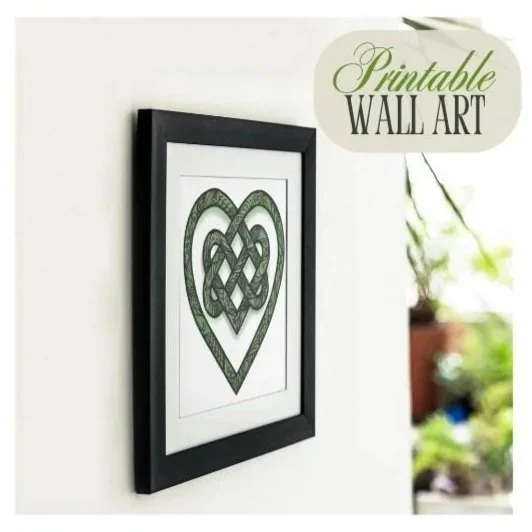
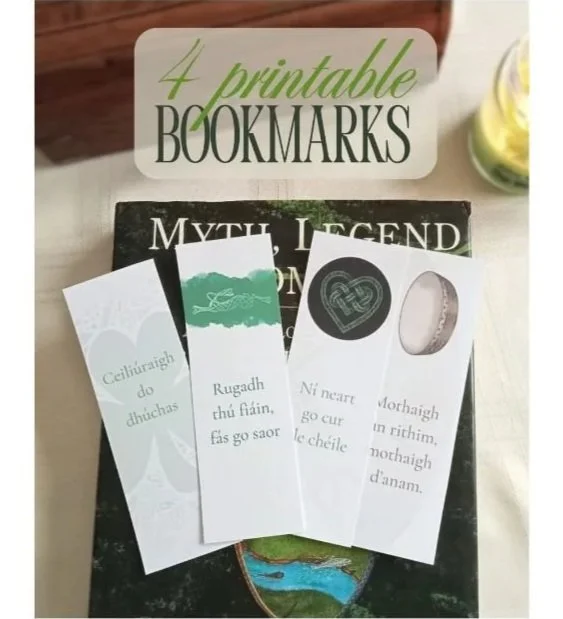
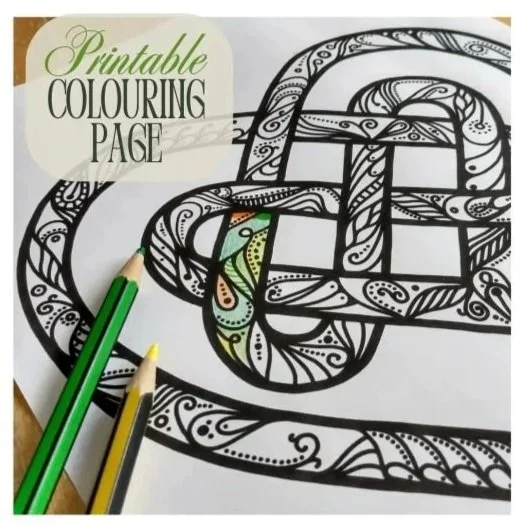
If going down this rabbit hole with me was your kind of thing, my newsletter is where I share Irish folklore, language, and the stories behind my artwork, straight to your inbox. And when you join, you'll get Fite Fuaite free: an art print, Irish phrase bookmarks, and a colouring page to download straight away.