Bodhrán: Ireland's Most "Ancient" Drum Is Actually Quite New
I used to think the bodhrán was really ancient, going back thousands of years as a deep-rooted part of Irish tradition. So when I found out that wasn't true, I was initially quite disappointed. You see, I love the sound of a bodhrán in trad music. It feels so tribal, so deep-rooted. So finding out it's only a few generations old felt like a bit of a let-down. But there’s hope…
The bodhrán used to be a winnowing tray
The bodhrán most of us picture, held under one arm and played with the beater or tipper, wasn't part of Irish music until surprisingly recently. Before that, it was a household item like a winnowing tray, a flat skin stretched over a wooden frame, used for separating grain from chaff or carrying things like potatoes. It would occasionally be used as a drum, but it wasn’t its primary use.
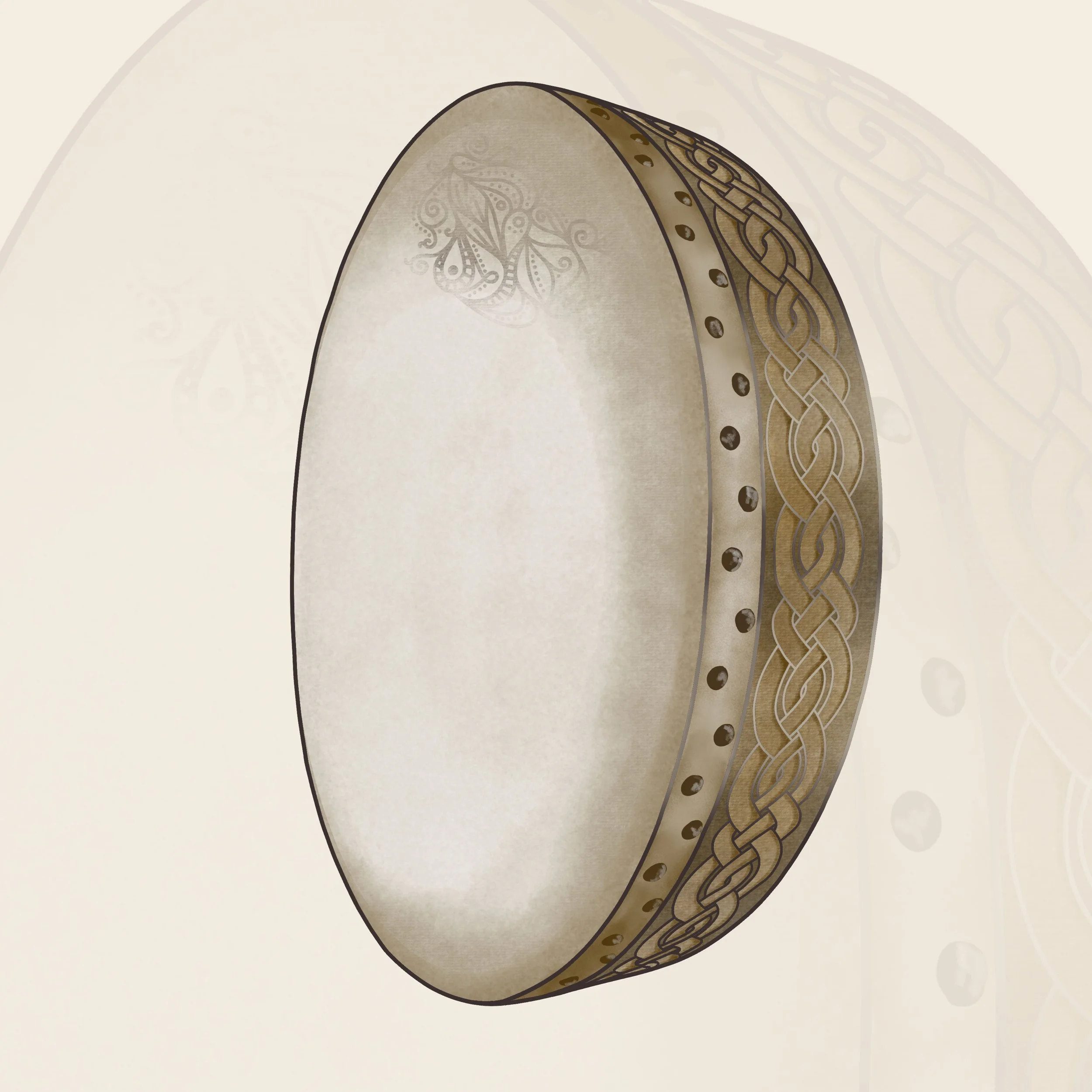
My bodhrán drawing, inspired by learning to play at Belfast Tradfest.
How the bodhrán became a well-known session instrument
In the late 1950s and 1960s, Seán Ó Riada played a key role in turning it into what we know now when he brought it into his band, Ceoltóirí Chualann. So it was no longer an occasional improvised instrument, it was a more legitimate part of the trad scene. That's when it became the well-known drum that it is today. Now that's not exactly ancient is it, my parents are older than that!
Why I've come round on the bodhrán's age
However, I've come round on how I feel about this, thanks to Ruairi Glasheen.
I watched his documentary on YouTube about its history, and he talks about keeping a tradition alive by preserving the flame, not the ashes. In other words, it stays alive because people keep changing it and passing it on, not by staying frozen exactly as it was. Which is a lot like Irish folklore and mythology too, it changes a little with every retelling, because it’s still alive in our culture.
That helped reframe things for me. The bodhrán isn't less Irish for being newer. That’s just the way tradition works - someone starts something, then it gets passed on with its tweaks and changes according to those using it at the time. It's a live part of our culture and loved by many, including me. It's very Irish. And it has Irish roots, just not always as an instrument.
The bodhrán's link to Wren Day
There are links to folklore with it too. The bodhrán, or drums like it, turns up in old Wren Day processions, when the Wren Boys went from house to house on St Stephen's Day.
There's a lovely account in the Dúchas Schools' Collection, told by a twelve-and-a-half-year-old boy in County Limerick back in 1937. He refers to different instruments they had, including a drum. I suspect it was a winnowing tray borrowed for the day. It's a lovely story, the boys were even arguing over the money they'd collected.
I've gone into that whole tradition, and the story of why the wren is called the king of all birds, in another post on the blog. Worth a read if you haven't already.
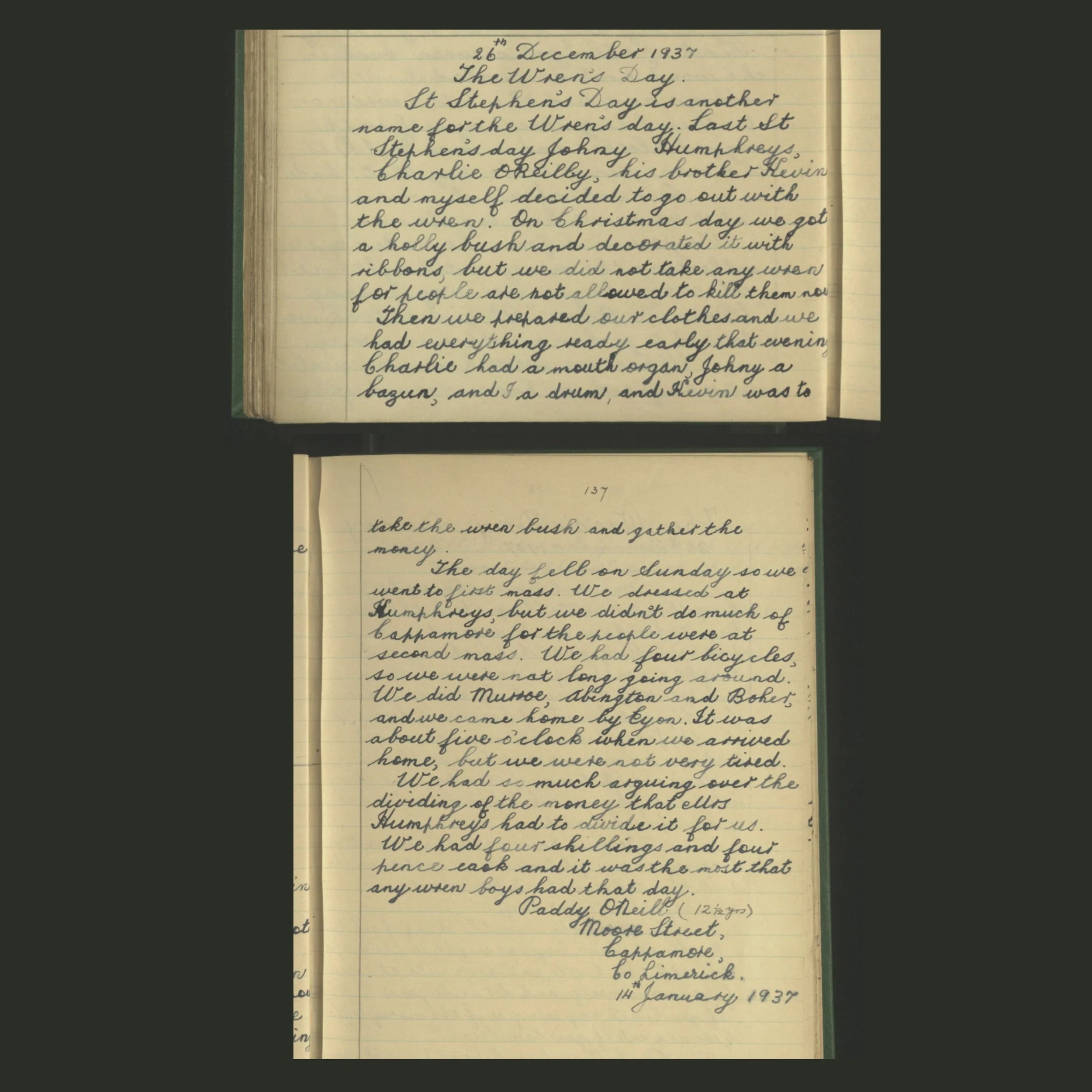
This is the account from the Dúchas Schools' Collection, told by a twelve and a half year old boy in 1937. You can watch me read this in a video on my blog post: The Wren: Why It’s Called the King of the Birds in Irish Folklore
Learning to play, and how a bodhrán is made
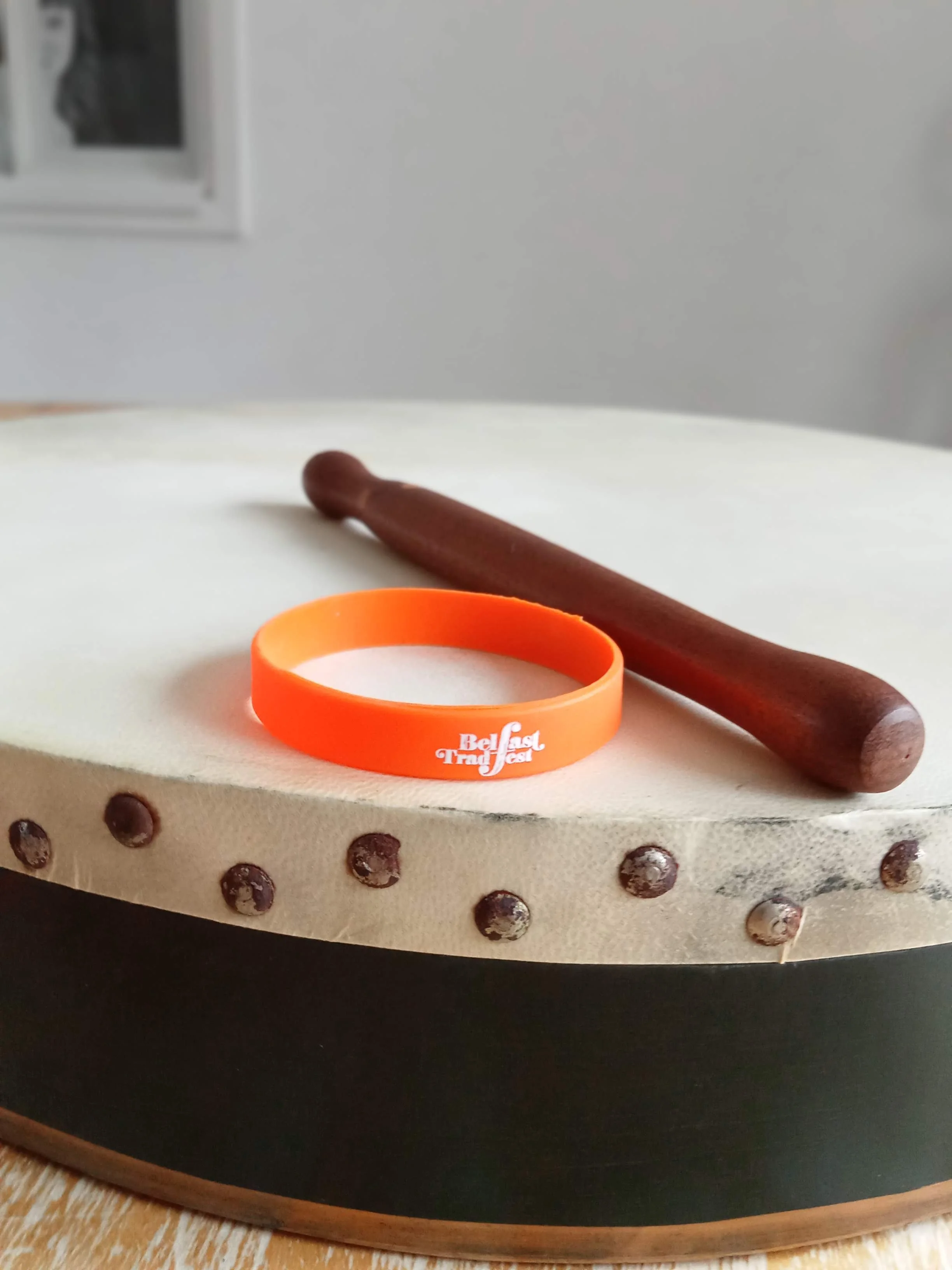
I attended lessons on how to play the bodhrán at Belfast Tradfest a few years ago. There I found out that traditionally it's made from goatskin, but these days plenty of bodhráns use synthetic heads instead. I'm no expert on its construction, but Ruairi's documentary also goes into how it's made if you want the full picture.
Where the word bodhrán comes from
Bodhrán likely comes from the Irish word bodhar, meaning deaf. I believe that refers to the muted sound you hear when it’s played. I actually think it can sound quite melodic, to my ears anyway.
The line art on the skin of my drawing above captures the connection between the hand and the sound. If you'd like the full piece along with the story behind it, you can find the digital download here.
Regardless of how old it is, there's no doubt in the high level of skill and tradition that goes into making the bodhrán and into playing it too. I am not a musician, but I would happily listen to just the drum being played without the accompaniment of any other instrument in a trad session.
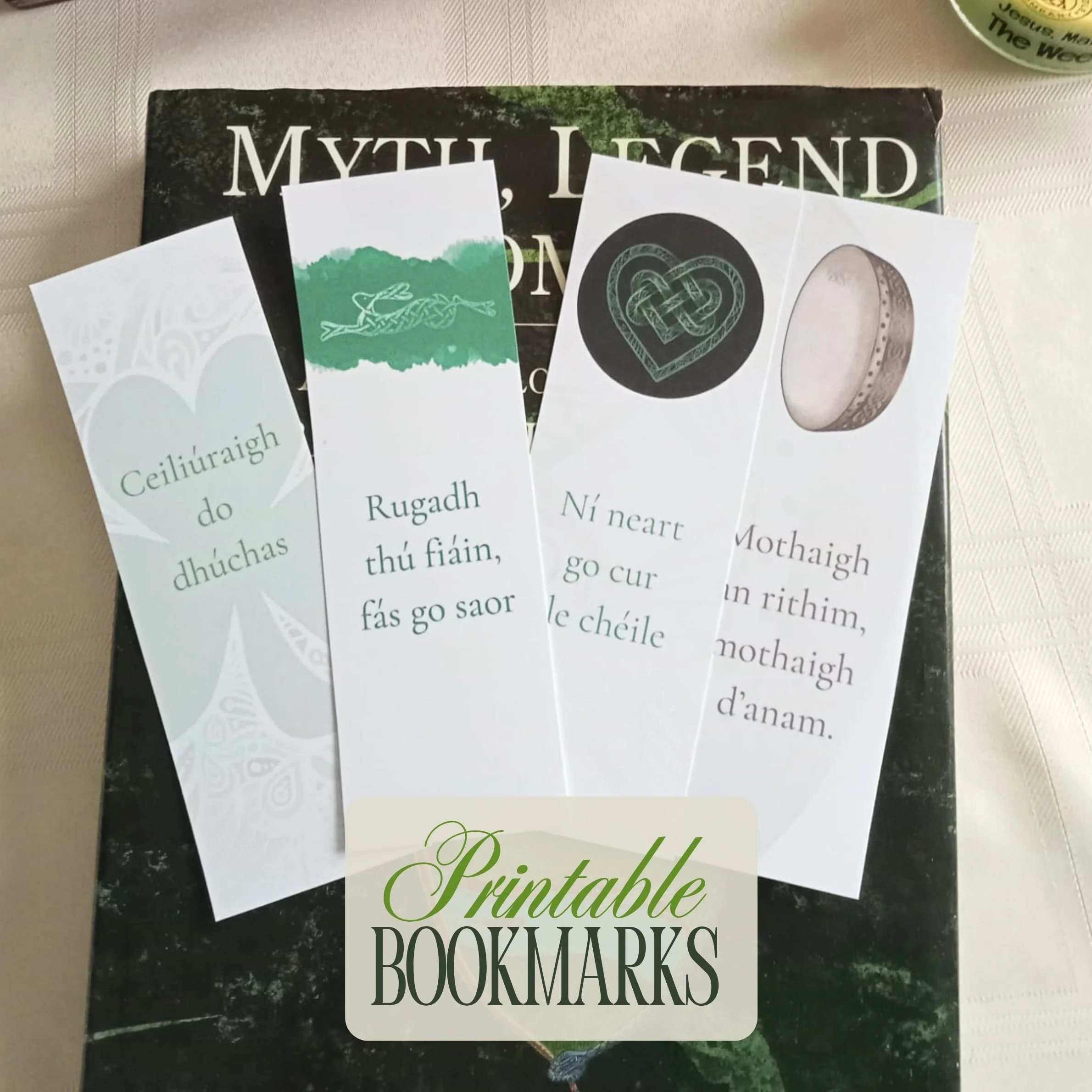
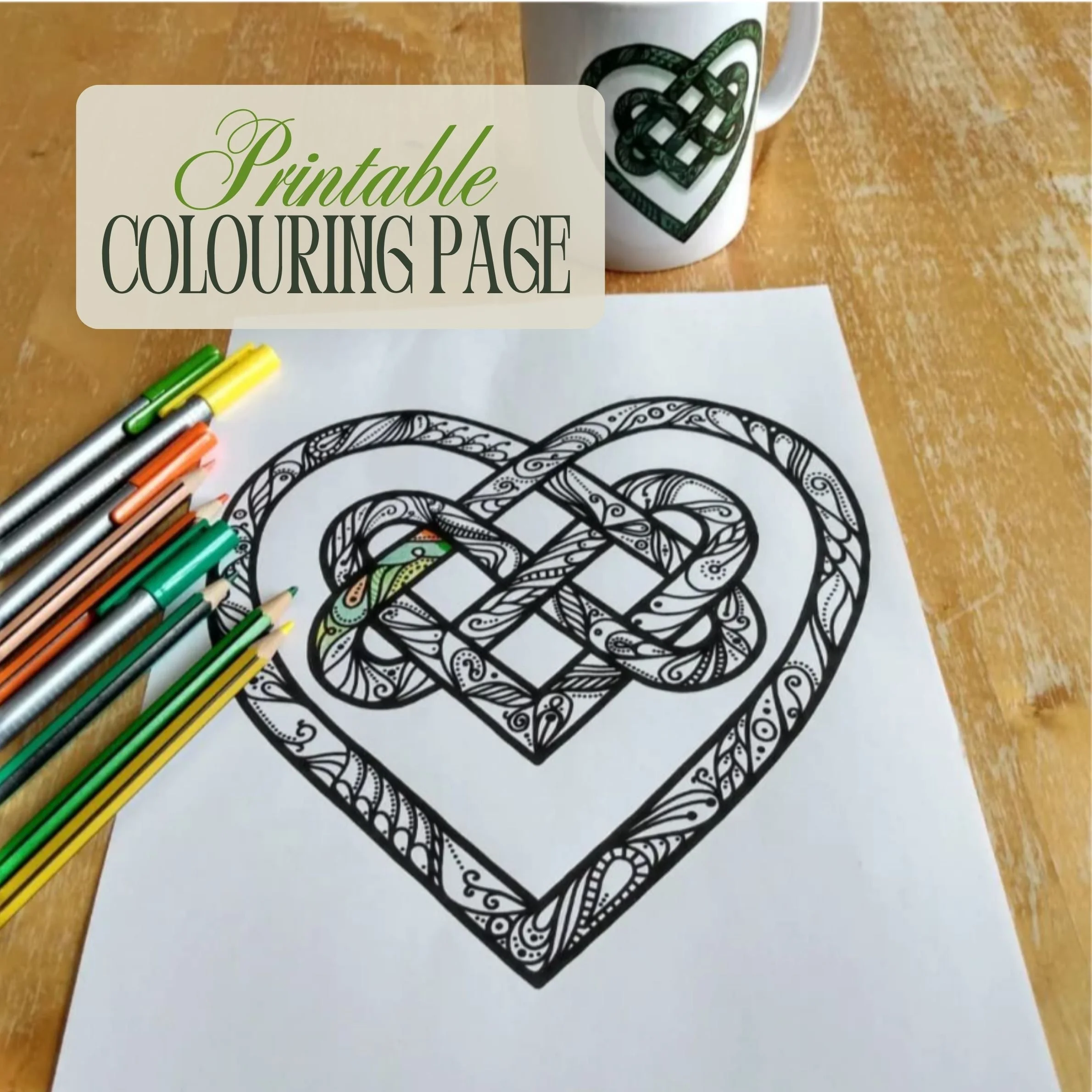
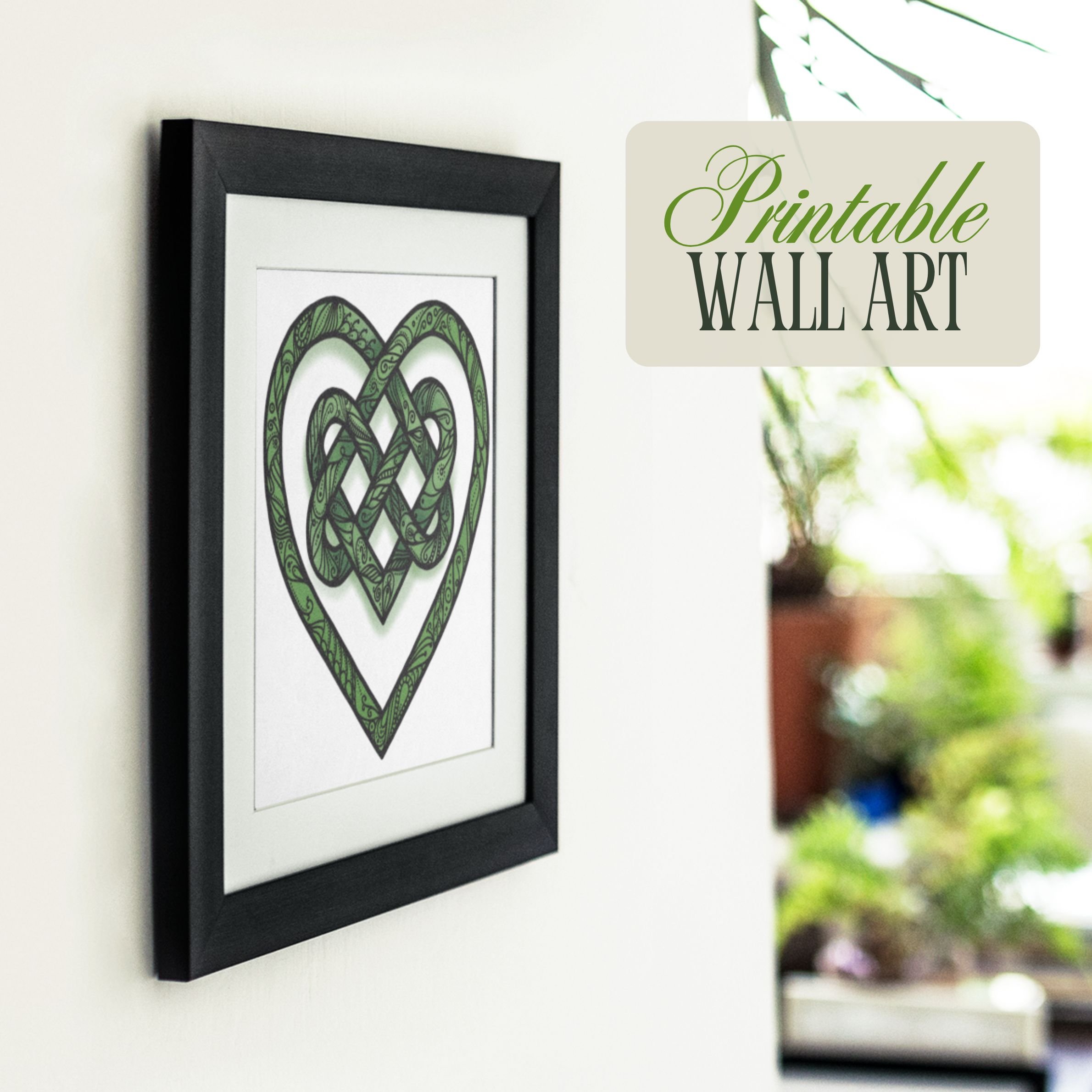
If you've read this far, you might like the Fite Fuaite bundle too. It's free - a set of Irish phrase bookmarks (translations included), a colouring page, and an art print. It's a nice way to spend a bit of time immersed in our heritage.